There’s nothing quite like a warm, nourishing bowl of soup—but too often, traditional recipes rely on added oils that contribute unnecessary fats without enhancing nutrition. The good news? Oil isn’t needed to create rich, deeply flavorful soups. By embracing whole food, plant-based cooking techniques, you can unlock the natural flavors of vegetables, herbs, and spices—without sacrificing taste or texture. In this article, we’ll explore methods for crafting delicious, oil-free soups that support optimal health and longevity. Grab your ladle and let’s get started!
Sautéing with Broth or Water
Instead of using oil to sauté onions, garlic, and vegetables, start by preheating the pan. Add the vegetables and allow them to cook until they begin to brown, stirring occasionally. Once they start sticking to the pan, add a splash of broth or water to deglaze and release the flavors. Continue cooking over medium heat, stirring frequently, until softened and fragrant.
Adding Flavor with Spices and Herbs
Who needs oil when you have a world of bold, aromatic flavors to explore? The secret to rich, satisfying soups and stews is layering seasonings that add depth and complexity to every spoonful. Experiment with a mix of spices, fresh and dried herbs, citrus zest, and tangy vinegars to enhance your dish. Warm spices like cumin and smoked paprika add depth, a squeeze of lemon brings brightness, and a splash of balsamic delivers a savory kick. With the right flavor combinations, your oil-free creations will be anything but dull—they’ll be bursting with deliciousness!
Utilizing Natural Fats from Ingredients
Nuts and seeds are a fantastic way to add richness and body to soups. For example, blending soaked cashews, almonds, or sunflower seeds into your broth creates a smooth, velvety texture while enhancing the soup with subtle nuttiness. Ground flaxseeds or chia seeds can also help thicken soups naturally as they absorb liquid and develop a gel-like consistency. Tahini or nut butters, like almond or peanut butter, provide both creaminess and depth of flavor, making them great additions to hearty stews or spiced soups. With their natural fats and proteins, nuts and seeds not only improve texture but also boost the nutritional value of your dish.
Blending Vegetables for Thickness
Blending vegetables is an excellent way to naturally thicken soups while enhancing their flavor and nutritional value. Starchy vegetables like potatoes, sweet potatoes, and winter squash create a creamy, velvety consistency when pureed, while cauliflower and carrots add body without overpowering the dish. Whether you purée the entire soup or just a portion to mix back in, using vegetables as a thickener keeps your dish wholesome, rich, and full of depth.
Roasting Ingredients for Depth of Flavor
Roasting ingredients before adding them to a soup is a simple yet powerful way to enhance depth of flavor. The high heat caramelizes natural sugars in vegetables like tomatoes, onions, carrots, and bell peppers, bringing out their sweetness and adding a subtle smokiness. Roasting garlic softens its sharp bite, turning it rich and mellow, while mushrooms develop an earthy umami flavor that deepens the overall taste of the dish. To ensure an oil-free roasting process, use parchment paper or a silicone mat for easy cleanup and to prevent sticking.
Incorporating Whole Grains and Legumes
Adding whole grains and legumes to soups and stews is a great way to create a hearty, nourishing dish with satisfying texture and depth. Grains like barley, farro, quinoa, and brown rice absorb flavorful broth as they cook, thickening the soup while adding a wholesome chewiness. Legumes such as lentils, chickpeas, and beans provide plant-based protein, making the dish more filling and nutritious. They also release natural starches that contribute to a richer, thicker consistency. Whether you’re making a rustic lentil stew, a barley-infused vegetable soup, or a chickpea curry, whole grains and legumes add both substance and flavor, turning a simple bowl of soup into a complete, comforting meal.
By incorporating these techniques, you can create rich, flavorful soups that are both nourishing and completely oil-free. With the right combination of spices, roasted ingredients, blended vegetables, nuts, seeds, whole grains, and legumes, your soups and stews will be packed with depth, texture, and satisfying warmth.
Experiment with these methods in your next recipe, and discover how delicious and fulfilling oil-free cooking can be. Your soups will be anything but bland—they’ll be vibrant, hearty, and bursting with flavor!
3 Delicious Oil-Free Soup Recipes
Tomato and Red Pepper Soup

Recipe adapted from Forks Over Knives
Ingredients:
- 2 medium yellow onions, peeled and coarsely chopped
- 2 large bell peppers, seeded and coarsely chopped
- 3 large cloves garlic, peeled and minced
- 1 tsp fresh thyme leaves, or ⅓ teaspoon dried thyme
- 1 pound fresh tomatoes (about 3 medium), coarsely chopped
- Sea salt
- Freshly ground black pepper
- ¼ cup fresh basil leaves, cut into thin ribbons (chiffonade)
Instructions:
- Place the onions and bell peppers in a large saucepan, and sauté over medium heat for 10 minutes. Add water, 1 to 2 tablespoons at a time to keep the vegetables from sticking to the pan.
- Add the garlic and thyme and cook for another minute, then add the tomatoes and cook, covered, for 20 minutes.
- Purée the soup using an immersion blender or in batches in a standing blender with a tight-fitting lid, covered with a towel.
- Season with salt and pepper to taste, and serve garnished with the basil.
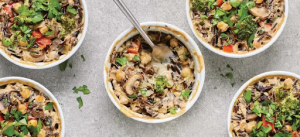
Creamy Wild Rice Soup
Recipe adapted from Forks Over Knives
Ingredients:
- 4 cups vegetable stock
- 1, 8-oz package button mushrooms, trimmed and quartered
- ¾ cup uncooked wild rice, rinsed and drained
- ½ cup leek, thinly sliced (white part only)
- 4 cloves garlic, minced
- 1 cup red bell pepper, chopped
- ½ cup carrot, chopped
- ¼ teaspoon sea salt
- ¼ cup almond flour
- ¼ cup chickpea flour
- 1 tablespoon fresh thyme, snipped
- 1 tablespoon white wine vinegar
Instructions:
- Combine the stock, mushrooms, wild rice, leek, and garlic in a 5-quart Dutch oven or soup pot. Bring to a boil over high heat; reduce heat to medium-low. Cover and simmer for 45 to 50 minutes or until the rice is tender (kernels will start to pop open). Stir in the bell peppers, carrot, and salt. Cover and simmer for 8 minutes more.
- Combine the almond flour and chickpea flour in a small bowl; stir in ¼ cup water. Stir the mixture into the soup. Cook, stirring constantly, for 1 to 2 minutes or until thick and bubbly. Stir in up to ½ cup more water to reach the desired consistency. Stir in the thyme and vinegar.
Dairy-Free Potato Corn Chowder
Recipe adapted from Forks Over Knives
Ingredients:
- 1 cup yellow onion, chopped
- ½ cup green bell pepper, chopped
- 1 cup + 2 tablespoons low-sodium vegetable broth
- 2 large baked and chilled russet potatoes, chopped
- 1, 15.5-oz can non-salt-added cannellini beans, undrained
- 1, 4-oz can mild green chiles
- 2 cups fresh or frozen roasted corn
- 2 bay leaves
- ½ teaspoon dried thyme
- ¼ teaspoon ground nutmeg
- 1 cup unsweetened, unflavored plant-based milk
- ¼ cup raw cashews
- ½ teaspoon sea salt
- ¼ teaspoon freshly ground black pepper
- ¼ cup fresh chives, chopped
Instructions:
- In a large pot combine onion, bell pepper, and 2 tablespoons of the vegetable broth. Cook over medium heat until the onion is tender and starts to brown. Add the remaining 1 cup of broth and the next 8 ingredients (through nutmeg). Cook for 10 minutes or until soup comes to a slow rolling boil; reduce heat. Simmer, uncovered, 15 to 20 minutes or until flavors merge. Remove and discard bay leaves.
- Carefully transfer 2 cups of the soup to a high-speed blender. Add the next 5 ingredients (through black pepper). Cover and blend until creamy. Stir mixture into soup pot. Top servings with chives.
About the Author:
Julie Columbus, RD Candidate, is a passionate advocate for plant-based nutrition, inspired by personal experiences with her family’s health challenges. After adopting a whole-food, plant-based lifestyle in 2019, she returned to school to become a registered dietitian and is currently a dietetic intern at Andrews University, completing rotations with The Plantrician Project, PCRM, and AdventHealth. Dedicated to preventing and reversing chronic disease through nutrition, she also works with the Clemson Free Clinic’s Produce Rx program. Outside of her studies, she enjoys ultra marathons and spending time with her hound dogs, Roscoe and Emmy Lou.