Listen to the article:
Healthy aging is not just about living longer but also about feeling and looking our best as the years go by. A critical factor in this journey is skin health, which can be profoundly influenced by nutrition. In this article, we’ll look into the science of aging skin and explore how diet can support healthy aging, providing you with practical tips to maintain a radiant, youthful complexion.
The Biology of Skin Aging
Skin aging is a complex process influenced by both intrinsic and extrinsic factors. Intrinsic aging is the natural aging process that occurs over time, while extrinsic aging is caused by external factors such as UV radiation, pollution, and lifestyle choices.
Intrinsic Aging
Collagen and Elastin Degradation: As we age, the production of collagen and elastin, proteins that give skin its structure and elasticity, decreases. This leads to wrinkles and sagging.
Cell Turnover: The rate at which new skin cells are produced slows down, resulting in thinner, less resilient skin.
Hydration: Natural oils in the skin decrease, leading to dryness and a lack of radiance.
Extrinsic Aging
UV Exposure: UV rays from the sun accelerate collagen breakdown and promote the formation of free radicals, which damage skin cells.
Pollution: Environmental pollutants can cause oxidative stress, leading to premature skin aging.
Lifestyle Factors: Smoking, alcohol consumption, lack of sleep, stress, and poor diet can exacerbate skin aging.
Visible Signs of Aging
Wrinkles and Fine Lines: Caused by the breakdown of collagen and elastin.
Age Spots: Result from prolonged sun exposure.
Dryness: Due to decreased oil production and moisture retention.
Loss of Firmness: Due to reduced
collagen and elastin.
The Role of Nutrition in Healthy Aging
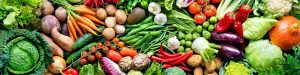
Nutrition plays a pivotal role in maintaining skin health and mitigating the signs of aging. A plant-based diet, rich in antioxidants, vitamins, and minerals, can provide the necessary nutrients to support healthy skin.
Antioxidants
Vitamin C: Essential for collagen synthesis and protecting skin from oxidative stress. Found in citrus fruits, strawberries, bell peppers, and broccoli.
Vitamin E: Helps protect skin from damage caused by free radicals. Found in nuts, seeds, and green leafy vegetables.
Polyphenols: Powerful antioxidants found in green tea, berries, and dark chocolate that can protect against UV-induced skin damage.
Healthy Fats
Omega-3 Fatty Acids: Reduce inflammation and help maintain skin’s lipid barrier, found in flaxseeds, chia seeds, and walnuts.
Monounsaturated Fats: Promote skin hydration and elasticity, found in avocados, olives, and nuts.
Hydration
Water: Essential for maintaining skin moisture and elasticity.
Hydrating Foods: Cucumbers, watermelon, and oranges provide additional hydration.
Vitamins and Minerals
Vitamin A: Promotes cell turnover and keeps skin smooth. Found in sweet potatoes, carrots, and leafy greens.
Zinc: Supports skin healing and reduces inflammation. Found in legumes, nuts, and seeds.
What Does the Research Say?
Numerous studies have shown the benefits of a plant-based diet for skin health and overall well-being:
Reduced Inflammation: Plant-based diets are rich in anti-inflammatory compounds that can help reduce skin inflammation and redness.
Enhanced Collagen Production: Foods high in vitamin C and amino acids can boost collagen synthesis, leading to firmer skin.
Protection Against UV Damage: Antioxidant-rich foods can help protect the skin from UV-induced damage, reducing the risk of age spots and wrinkles.
Supporting Research
A study published in the Journal of Clinical and Aesthetic Dermatology found that a diet rich in fruits, vegetables, and whole grains was associated with fewer wrinkles and less skin dryness, highlighting the role of nutrition in skin health. The research demonstrated that these dietary components provide essential nutrients and antioxidants that support skin elasticity and hydration, contributing to a more youthful appearance.
Research from Nutrients reviews the positive impact of plant-based diets on skin health. It highlights how such diets, rich in vegetables, fruits, legumes, nuts, and whole grains, can improve inflammatory skin conditions like psoriasis and atopic dermatitis. The study also discusses the role of the gut microbiome in mediating these benefits, suggesting that plant-based diets can enhance skin health by promoting a healthier gut environment.
Practical Tips for Radiant Skin
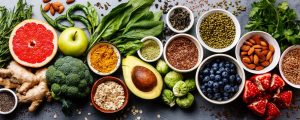
- Eat a Rainbow: Incorporate a variety of colorful fruits, vegetables, and legumes into your diet to ensure a wide range of nutrients.
- Stay Hydrated: Drink plenty of water and include hydrating foods in your meals.
- Limit Sugar and Processed Foods: High sugar intake can lead to glycation, which damages collagen and elastin, while processed foods often contain unhealthy fats and additives.
- Protect Your Skin: Use sunscreen daily to protect against UV damage, even on cloudy days.
- Get Enough Sleep: Quality sleep is crucial for skin repair and regeneration.
Conclusion
Healthy aging and maintaining a youthful appearance are achievable with the right approach to nutrition. A plant-based diet, rich in antioxidants, healthy fats, vitamins, and minerals, can support skin health and slow down the aging process. By making informed dietary choices and adopting a holistic approach to skincare, you can enjoy radiant, youthful skin for years to come.
Embrace the power of nutrition and start your journey towards healthy aging today!
References
Solway J, McBride M, Haq F, Abdul W, Miller R. Diet and Dermatology: The Role of a Whole-food, Plant-based Diet in Preventing and Reversing Skin Aging-A Review. J Clin Aesthet Dermatol. 2020 May;13(5):38-43. Epub 2020 May 1.
Flores-Balderas X, Peña-Peña M, Rada KM, Alvarez-Alvarez YQ, Guzmán-Martín CA, Sánchez-Gloria JL, Huang F, Ruiz-Ojeda D, Morán-Ramos S, Springall R, et al. Beneficial Effects of Plant-Based Diets on Skin Health and Inflammatory Skin Diseases. Nutrients. 2023; 15(13):2842. https://doi.org/10.3390/nu15132842